

California's Coastal Communities Brace for El Niño Impact
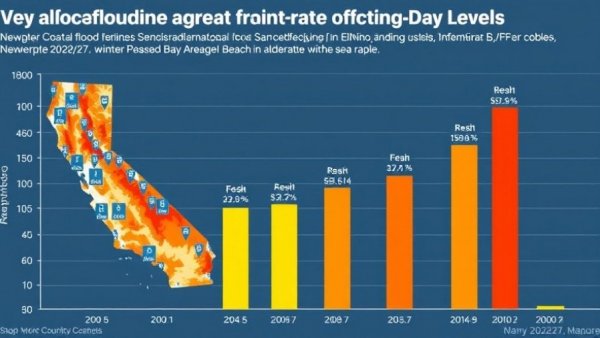
Newport Beach, Long Beach, and San Francisco Bay are bracing for a challenging winter ahead, as a new report from UC Davis outlines an increasing risk of flooding and erosion along California's coastline. With predictions indicating one of the strongest El Niño events in a century, vulnerable communities are likely to face a series of threats, including damage to homes, infrastructure, and valuable beachfront properties.
What Does El Niño Mean for Coastal Residents?
El Niño weather patterns can create significant changes in ocean currents and storm activity, leading to problems such as heavy rainfall and intense storms. The report authored by Dr. Fraser M. Shilling details how these climatic conditions might combine with rising sea levels to exacerbate flooding risks. With communities already facing challenges from minor flooding, the implications of a stronger El Niño could be devastating.
Southern California: Facing Early Warning Signs
In recent months, residents from Newport Beach and Long Beach have started to witness the concerning effects of rising sea levels. October 2026 brought intense flooding along the Long Beach coastline and the Newport Peninsula, a situation that served as an alarming preview of what might unfold this winter. Areas that see only minor tidal flooding under normal conditions could experience catastrophic inundation when the heavy rains coincide with the elevated ocean levels expected from El Niño.
Why Infrastructure is at Risk
The UC Davis report emphasizes the urgent need to address California's aging infrastructure. Airports like San Francisco International and Oakland International are in danger from potential flooding, leading to not just residential distress but serious impacts on crucial transportation networks. The extensive development on low-lying lands around the San Francisco Bay—previously marshes—leaves many areas vulnerable to flooding when adding just a few feet of water.
Highway 37 and Agricultural Areas: A Devastating Combination of Risks
Highway 37 poses another significant risk, as it has inundated twice in recent years during extreme weather events. With a necessary bridge replacement project only planned for 2027 or later, the highway remains exposed to flooding during winter storms. If levees near the Petaluma River fail during an El Niño event, farmers and communities relying on access to land and goods production could be severely impacted.
What Can Residents Do to Prepare?
For residential and commercial property owners, proactive measures can help mitigate the impacts of potential flooding. Key preparatory steps may include:
- Flood-proofing properties: Investing in modifications to make buildings more resilient to flooding can save costly repairs later.
- Community awareness: Staying informed about local government plans and flood alerts is imperative for timely action.
- Insurance reviews: Assessing property insurance policies to ensure adequate flood coverage can lessen the financial burden after disasters.
Community Support and Resources
The emphasis on community resilience indicates the importance of collaboration among residents, local governments, and environmental agencies. Developing response strategies that incorporate flooding risks into urban planning is crucial for long-term solutions. Residents should engage with local programs aimed at enhancing coastal resilience and adapting infrastructure to withstand climate change impacts.
Conclusion: Acting Before It’s Too Late
As California prepares for a winter potentially marked by intense flooding and damage from an El Niño event, understanding these risks is essential for property owners. By taking proactive steps now, communities can better prepare for the unpredictable nature of climate change, protecting both their investments and their way of life.





Write A Comment