Add Row
Add Element
cropper
update
Property News Network
update
Add Element
  • Home
  • Categories
    • real estate
    • market trends
    • property insights
    • housing developments
    • investment tips
    • industry news
    • market analysis
    • economic factors
    • buying guides
    • selling strategies
    • property care
October 15.2025
3 Minutes Read

U.S. Foreclosure Filings Surge 17%: Insights For Homeowners

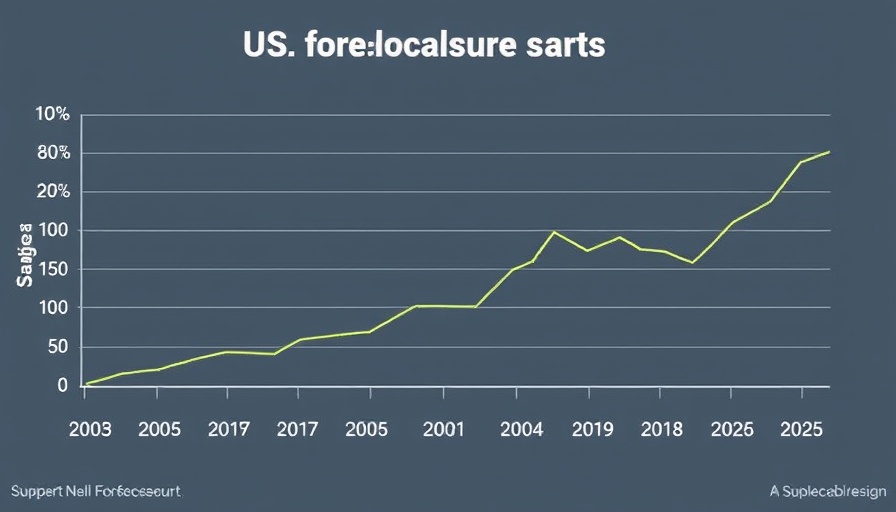
Graph showing U.S. foreclosure filings increase with historical data.

Foreclosures See Unprecedented Rise: What You Need to Know

The real estate landscape in the United States is undergoing a significant transformation, with foreclosure filings surging by 17 percent in the third quarter of 2025 compared to the same period last year, according to the latest report from ATTOM. This alarming trend signals rising financial strain among borrowers, suggesting that many homeowners are grappling with the pressures of heightened mortgage rates and economic uncertainties.

Understanding the Data Behind the Numbers

In total, there were 101,513 properties hit with foreclosure filings nationwide during the third quarter. While the increase from the previous quarter was modest at less than 1 percent, the year-over-year jump is indicative of a broader concern. ATTOM’s CEO Rob Barber highlighted this consistency, noting that a further increase in both foreclosure starts and completions throughout the year suggests a growing borrower strain in various regions.

State of Foreclosures: Regional Insights

Texas emerged as the leader in foreclosure starts, with 9,736 cases, followed closely by Florida and California. Major metropolitan areas like Houston, New York City, and Chicago reported thousands of filings, underscoring the widespread nature of this issue. Furthermore, states such as Florida, Nevada, and South Carolina reported the highest foreclosure rates, with rates in Florida reaching one in every 814 housing units. These figures paint a concerning picture of housing stability, especially in areas with historically high real estate values.

The Emotional Toll on Homeowners

Beyond the statistics, foreclosures take a profound emotional toll on affected homeowners and their families. Many find themselves grappling with the fear of losing their homes, which is often intertwined with social stigma and financial despair. This human aspect is crucial, as emotional resilience is put to the test when financial strains lead to drastic decisions, such as foreclosure. Understanding this emotional complexity can help neighbors and community leaders provide better support to those affected.

What Lies Ahead? Future Predictions

As the U.S. housing market continues to navigate these turbulent times, experts warn that sustained upward trends in foreclosure rates may impact property values and buyer confidence. Current pressures surrounding affordability and rising living costs could lead many potential buyers to remain on the sidelines. Conversely, some predict that an influx of foreclosure properties could present opportunities for investors looking to enter the market at reduced prices.

Practical Tips for Homeowners Facing Challenges

For homeowners finding themselves in precarious positions, it’s crucial to understand the options available. Engaging in open dialogues with lenders, seeking financial counseling, and exploring programs designed to mitigate foreclosure impacts can help. Organizations often provide resources for families to stabilize before facing the possibility of losing their homes.

Community Response and Resources

Community organizations and state agencies play pivotal roles during these challenging times, offering support to families facing foreclosure. They provide valuable information regarding rights under foreclosure laws, assistance programs, and resources to guide people through the complexities of their financial situations. Awareness of these resources is essential for those at risk.

In summary, the rise in foreclosure filings in 2025 not only reflects broader economic challenges but also highlights the urgent need for homeowners to seek assistance. Understanding this epidemic's intricacies can better equip individuals to navigate these troubling waters and seek recovery.

property insights

2 Views

0 Comments

Write A Comment

*
*
Please complete the captcha to submit your comment.
Related Posts All Posts
04.16.2026

U.S. Home Sellers Face Pressure: Record Price Cuts Signal Buyer Power

Update Unprecedented Trends in the U.S. Housing MarketAs of February 2026, a significant shift is taking place in the U.S. housing market, characterized by more than one-third of home sellers reducing their asking prices, marking the highest figure for this time of year in over a decade. This trend is indicative of a growing imbalance, where buyer leverage is expanding amidst economic uncertainty and high mortgage rates. Data from Redfin reveals that 34.2% of sellers cut their prices this February, a notable increase from 31.5% a year prior, reflecting changing dynamics that strongly favor buyers.The Buyers' Market: What Does It Mean?With buyers now wielding more negotiating power, the landscape of home buying has drastically changed. Sellers are compelled to adapt or risk having their properties linger on the market longer than expected. The average price cut among those who reduced their asking prices reached approximately $40,915, or 7.3%, the largest percentage drop for February since early 2023. Such reductions not only benefit buyers but also underscore the shifting realities of a market once characterized by fierce competition among buyers.Economic Factors Influencing Buyer PowerThe forces driving this buyer-friendly environment include elevated mortgage rates, currently hovering around 6.3%–6.4%. Despite a slight drop in late March 2026, these elevated rates continue to limit buyer affordability and purchasing power. As a result, many potential homebuyers remain hesitant, further contributing to a growing supply of homes on the market, which adds to sellers' pricing pressures. Economic conditions have created a complex web where sellers must re-evaluate their strategies to attract cautiously optimistic buyers.Regional Variations: Sun Belt vs. Coastal MarketsInterestingly, the effects of these market shifts are not uniform across the country. In high-supply areas like the Sun Belt, sellers are more aggressively reducing their prices to remain competitive, while coastal markets, particularly in tech hubs, are experiencing a different dynamic. In these regions, sellers tend to price their homes below market value, aiming to spark bidding wars rather than directly cutting their prices. This divergence illustrates the varying landscape of U.S. real estate and highlights the need for localized strategies according to market specifics.Potential Future Trends in HousingLooking forward, analysts are keenly observing whether the trend of increased price cuts will continue into the spring season. If the reductions can counterbalance the effect of elevated mortgage rates, more buyers may re-enter the market, potentially stabilizing home sales. While the overall housing market is not experiencing sharp declines, the current trajectory suggests a shift towards a more price-sensitive environment where both buyers and sellers must adapt to new realities.Conclusion: Preparing for Market ChangesAs the U.S. housing market continues to shift, both residential and commercial property owners must stay informed and ready to adapt their strategies. Whether you are looking to sell or buy, understanding these dynamics can be key to making sound investment decisions. Keeping an eye on economic indicators and market trends will help inform your next steps in real estate.

04.15.2026

Hong Kong Faces Housing Squeeze by 2027: What Property Owners Must Know

Update The Housing Crunch in Hong Kong: A Looming CrisisThe real estate landscape in Hong Kong is preparing for a major shake-up as experts predict a significant housing squeeze by 2027. Due to a dwindling land supply, property owners and investors face an uncertain future as existing properties may experience a surge in demand, driving prices upward and squeezing affordable options for many.Implications of Land Supply ShortageAccording to various housing reports, including data from Jones Lang LaSalle, the effects of a land crunch can resonate through the entire economy. As companies vie for limited land availability amid rising demand for housing and commercial properties, the potential for price increases may outpace wage growth, exacerbating an already difficult housing affordability crisis. For both residential and commercial property owners, this could mean re-evaluating investment strategies to adapt to these foreseen shifts.Trends in Property OwnershipResidential property ownership in Hong Kong has consistently been a symbol of wealth. However, with home prices escalating at an alarming rate, many young professionals are finding themselves priced out of the market altogether. The city’s housing market dynamics are influenced by local socio-economic factors and global trends. Investors might start looking to alternative property types or areas outside the city’s bustling financial hub as options dwindle.Shifting Market DynamicsAs we examine current market dynamics, it’s crucial to recognize that property values do not exist in a vacuum. Competition for purchasing land can lead to a ripple effect, impacting housing prices significantly. Recent statistics highlight this imbalance: while construction is stagnating, demand continues to grow. The potential for future investments in property could hinge increasingly on smaller, more agile developments that can adapt to the fast-changing demands of a competitive landscape.The Future of Hong Kong's Housing MarketThe questions of sustainability and equity in housing supply will become more pronounced as we approach the 2027 housing squeeze. For investors, this represents both a challenge and an opportunity. They must consider the implications of long-term holding versus timely divestments. Access to housing becomes a focal point not only for residents but also for policymakers tasked with finding solutions to complex urban planning issues.What You Can Do NowGiven the increasing likelihood of a housing crunch in 2027, real estate stakeholders must proactively assess their positions. Engaging with property experts to analyze market trends, adapt buying strategies, and explore more affordable housing developments can be critical in navigating the impending housing landscape changes. Whether one is looking to invest in residential or commercial properties, understanding the significance of timing and location will be paramount.

04.15.2026

U.S. Remodeling Sentiment Softens: Key Insights for Property Owners

Update Shifting Trends in the U.S. Remodeling Market The U.S. remodeling market is navigating a period of change as confidence among remodelers experiences a slight decline in early 2026. According to the latest Remodeling Market Index (RMI) released by the National Association of Home Builders (NAHB), the sentiment among U.S. remodelers has softened slightly, dropping to 62 from the previous quarter’s reading of 64. Despite this decrease, the index remains above the critical threshold of 50, signaling a generally positive outlook within the industry. Understanding the Factors Affecting Remodeling Sentiment The remodeling market's sentiment is influenced by various factors, including the aging housing stock and the economic climate. A report from Eye On Housing highlighted that while remodelers are managing to keep projects alive, many homeowners are reconsidering their renovations due to financial uncertainties. Interestingly, only a small percentage of remodelers reported clients delaying their projects, suggesting that demand remains robust for home improvements, albeit with some caution. A Focus on Project Types and Market Conditions The current market conditions index, which includes assessments of large, mid-sized, and small projects, reflects a complex scenario. Larger remodeling projects, valued at over $50,000, witnessed a dip to 67. In contrast, smaller projects under $20,000 have increased slightly to 74, indicating a persistent demand at the lower end of the market spectrum. This trend suggests that homeowners might prioritize essential upgrades and repairs over more significant renovations during uncertain economic times. The Future: Remodeling Market Predictions Looking ahead, the future indicators index has also shown a downturn, dipping to 54, primarily due to reduced inquiries and leads. Such a decrease indicates that while the market is still in a good place, a cooling may be on the horizon as remodelers face tightened budgets and shifting priorities from homeowners. With nearly 21% of remodeling respondents tied to activities associated with newly purchased homes, there's still potential for growth as the market stabilizes. The Importance of Market Insights for Homeowners For residential and commercial property owners, understanding these market dynamics is crucial. The current sentiment may inform decision-making around property investments or upgrades. Owners looking to enhance their living spaces should remain proactive, leveraging this period to plan and budget for future projects while remaining cognizant of market fluctuations. Key Takeaways for Property Owners Market sentiment remains positive but is experiencing slight fluctuations. Smaller remodeling projects are currently seeing growth, while larger projects face challenges. Engaging with experienced remodelers who can navigate costs and timelines will be vital in the current economic environment. The remodeling industry continues to evolve, and understanding these trends will empower homeowners and property developers alike to make informed decisions. Staying updated on sentiment shifts can help property owners strategically position themselves in an ever-changing market. If you're considering a remodel, now may be a good time to gather insights from professionals and understand the optimal times to execute your planned renovations. Don't wait any longer to take those important steps toward enhancing your property!

Terms of Service

Privacy Policy

Core Modal Title

Sorry, no results found

You Might Find These Articles Interesting

T
Please Check Your Email
We Will Be Following Up Shortly
*
*
*