


A Shift in the Housing Landscape: What Buyers Need to Know
For the first time in over three years, U.S. home-sale prices have dropped, signalling a pivotal moment in the housing market that could reshape the expectations of buyers and sellers alike. This decline, reported by Redfin, shows that the median home-sale price has fallen 0.1% year over year to $389,601 during the four weeks ending October 25, 2026. Such a shift is critical as it indicates a potential cooling off of a market that has been characterized by sky-high prices fueled by years of low interest rates.
State of Buyer Demand: Falling Through the Cracks
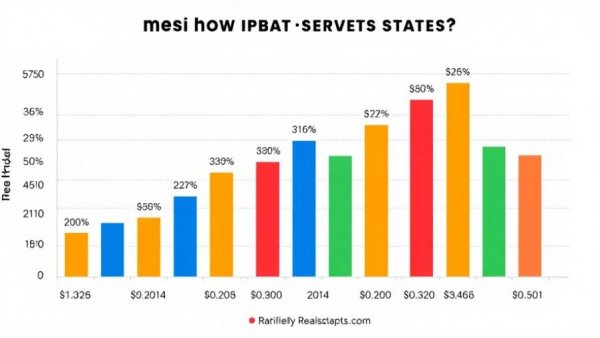
The report highlights a dramatic downturn in buyer demand amidst soaring mortgage rates, leading to sluggish sales numbers. For instance, pending home sales dipped 1.8% week-over-week, reaching a record low of 276,352. The 15.9% decline in year-over-year pending sales signals that buyers are becoming increasingly hesitant in the face of elevated costs. Markets, including Seattle—a city previously noted for its robustness—witnessed a stark 31.6% decline in pending sales. This broad decline across 50 major U.S. metropolitan areas suggests that the challenges are not isolated but rather systemic within the market.
Housing Supply on the Rise
Amidst falling prices, housing supply is simultaneously on the rise. While newly listed properties have decreased by 0.6% from the previous week, total inventory ticked up to approximately 1.51 million homes. This imbalance suggests that homes are entering the market at a faster rate than buyers are willing to purchase them, leading to a scenario where sellers may have to adjust their expectations significantly.
Price Reduction Strategies: Sellers Respond
As the buyer frenzy dwindles, sellers are starting to rethink their strategies. Approximately 21.5% of active listings saw price reductions as sellers attempt to attract buyers who are currently grappling with increased financing costs and historically high mortgage payments. A notable 10.7% surge in typical monthly mortgage payments to $2,786 could deter potential buyers even further, presenting a challenge to those looking to sell their homes. With the median time properties remain on the market stretching to 50 days, a clear trend of longer marketing periods emerges, emphasizing the need for sellers to be proactive about pricing strategies.
Regional Variations: A Closer Look
Not all markets are reacting uniformly. In stark contrast to the national trend, cities like San Francisco are experiencing continued price appreciation, up 15% year-over-year. This illustrates a complex landscape where local economic factors and buyer sentiment can create pockets of resilience even amid widespread market challenges. Buyers should remain vigilant and consider local conditions as they assess their options.
Future Outlook: Challenges on the Horizon?
Looking ahead, the housing market is poised for continued flux. With more inventory entering the market and the specter of rising interest rates still looming, key questions remain for prospective buyers: How long will this price adjustment last? How will it impact their purchasing power? Strategies for navigating this uncertain terrain involve leveraging local market insights and aligning expectations accordingly.
Conclusion: Making Informed Decisions
The current landscape of weakening buyer demand and falling prices calls for property owners to carefully consider their next moves. Whether buying, selling, or investing, it is vital to stay informed about market trends and conditions that impact decision-making. For those looking to invest in properties, now could present unique opportunities to secure value before further adjustments occur in the broader market.



Write A Comment