

A Year of Contrasts: 2027 Housing Market Dynamics
The U.S. residential real estate market is poised for a unique journey in 2027, marked by a blend of improving conditions for buyers and ongoing struggles with affordability. While there's a projected increase in housing inventory and a slight easing in home price growth, elevated mortgage rates continue to cast a shadow over the market's overall health. According to Realtor.com's 2027 Housing Forecast, home sales are expected to decline by 2.9%, totaling approximately 3.89 million transactions, as the average mortgage rate climbs to around 6.9%. This combination suggests that prospective buyers will face another challenging year, with affordability remaining a significant hurdle.
Inventory Growth: A Buyer-Friendly Shift?
The anticipated rise in housing inventory by 5% in 2027 signals potential positive trends for homebuyers. This change may push the average national supply to 4.8 months, suggesting a market that, while still short of the typical six-month benchmark for a buyer's market, will offer greater flexibility than in previous years. This dynamic fosters an environment where buyers could negotiate prices and terms more effectively. However, as the number of homes available increases and sales slow, sellers will need to adjust their strategies to remain competitive.
The Affordability Dilemma: Home Prices vs. Mortgage Rates
Despite the growth in available properties, the harsh reality of affordability remains. Projected home prices are forecasted to climb 1.2%, falling short of the expected inflation rate of 2.9%, indicating a continuing decline in real home price values. Nevertheless, financing remains a challenge, with monthly mortgage payments expected to increase by 3.4%. This translates into housing payments consuming a significant share of the median household's income, projected at 28.8%. Furthermore, many homeowners today are reluctant to sell, fearing they’ll lose the benefits of their historically low financing rates. This ‘mortgage-rate lock-in effect’ continues to pose challenges for the market.
When Renting Becomes More Attractive
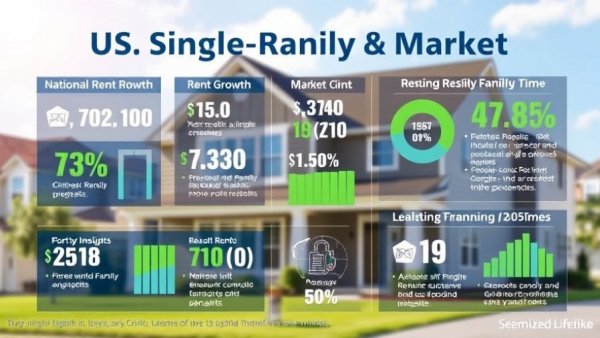
The rental market is set to see reversal trends, with median asking rents anticipated to rise by 1.9% after a series of declines. Higher mortgage rates are predicted to keep many households renting, leading to a scarcity of new rental supply due to declining apartment constructions, which are down 2.5%. Builders are exhibiting caution as they navigate higher construction costs and the uncertain demand for single-family homes, representing a shift in how the housing market adapts to economic pressures.
Geopolitical and Economic Influencers
Several external factors are in play that might further complicate the forecast for 2027. Geopolitical tensions, inflation rates, government housing policy shifts, and the expansion of off-market listings can all influence housing conditions. These elements can create a challenging environment for potential buyers trying to navigate their options in the housing market. Enhanced analytical tools will be necessary as consumers work to assess available properties and evaluate competing offers realistically.
New Opportunities Arise Amidst Challenges
Even though 2027 is marked by challenges, it simultaneously offers new opportunities for buyers and sellers alike. The anticipated growth in inventory creates a more dynamic marketplace, where buyers may experience improved negotiating conditions. For sellers, adapting to the competitive landscape will be essential for minimizing their properties' time on the market. Connecting with real estate professionals can provide invaluable insights into the shifting dynamics and assistance in strategizing for success in this evolving market.
In conclusion, as we look toward 2027, it’s crucial for both buyers and sellers to remain informed about these unfolding trends and strategically adapt their approaches. While the path ahead may be fraught with obstacles, understanding the nuances of the current housing climate will position stakeholders to make educated decisions.
Stay engaged in the housing discourse, consider your financial pathways, and determine how you might navigate the complexities evolving in the real estate market.



Write A Comment