

U.S. Single-Family Rental Market Gains Momentum in September
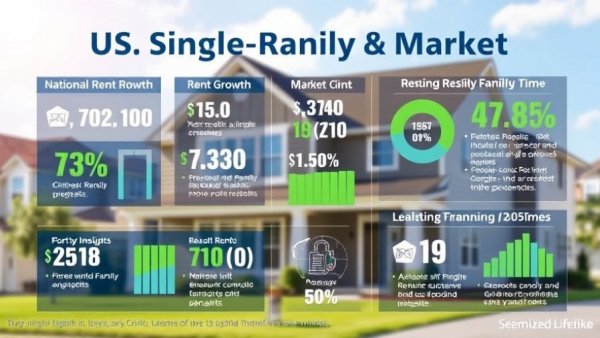
As the U.S. single-family rental market continues to reclaim its strength, new data for September 2026 reveals a notable increase in rental prices. According to the latest report from Cotality, national single-family rents saw a 2.3% rise year-over-year, marking the strongest annual growth since June 2025 and signaling a more substantial recovery across various metropolitan areas.
Molly Boesel, a senior principal economist at Cotality, notes that while this growth is significant, it indicates a broader recovery rather than a return to the rapid price surges witnessed during the pandemic. "These trends point to a recovery spreading across more rental markets, not a return to the rapid rent increases of the pandemic era," she stated. However, Boesel cautions that with national rents now approximately 39% higher than pre-pandemic levels, even modest increases are compounding existing financial pressures for renters.
The Shift in Metropolitan Areas
Encouragingly, only two of the fifty metropolitan areas tracked reported annual rent declines in September. This increase from February, where 13 areas experienced declines, illustrates an improving rental landscape. The narrowing scope of declining rents indicates that favorable market conditions are no longer confined to a select few areas.
This shift suggests that the recovery is gaining traction nationally, as opposed to being reliant on a handful of markets. Among the ten featured metropolitan markets, Chicago led the pack with a remarkable 5.0% increase in annual single-family rent appreciation for September, followed closely by Philadelphia at 4.4% and New York at 3.8%. Other cities like Los Angeles, Miami, and Atlanta mirrored the national average with a 2.0% increase.
Distinguishing Market Segments
However, the market is not uniform; a significant divide exists between higher-priced and lower-priced rental segments. High-end rentals observed greater annual rent growth at 3.0%, compared to only a 1.0% increase for lower-priced properties. This disparity reflects the sustained demand and pricing strength in upper-tier rental sectors, showcasing a shift in consumer preference amidst evolving economic landscapes.
As the national single-family rental market inches toward equilibrium, the recent report shows stronger appreciation is evident across more areas, although it continues to be relatively subdued compared to historical norms.
The Economic Context and Future Predictions
Historically, single-family rental appreciation hovered between 2-4% annually for nearly a decade, averaging at 3.4%. The current 2.3% growth nudges closer to those averages, suggesting that while the recovery is present, it is tempered compared to the rapid escalation of the past few years. This recovery aligns with broader economic factors, including employment rates, inflation, and changing demographics, all influencing rental decisions.
As we look ahead, several trends can emerge from this data. If the economy continues to stabilize and inflation eases, we could see further revitalization in the rental market, potentially bringing pricing structures back to historic norms over time. Conversely, persistent inflation could suppress market potential and inhibit property owners from maximizing returns.
Taking Action: What This Means for Property Owners
For residential and commercial property owners, understanding these dynamics remains key. As the market adjusts, property owners should consider evaluating their investment strategies based on emerging trends. With prices broadening across the market, investing in property maintenance, upgrades, and strategic positioning could enhance rental yields. Moreover, staying informed about economic conditions will better equip property owners to navigate this changing landscape, thus ensuring they are prepared to respond to market fluctuations effectively.
Your Next Steps in This Evolving Market
In conclusion, the September data paints a hopeful picture for the single-family rental market, indicating that stability and growth could be on the horizon. With a nuanced understanding of market dynamics, property owners can make informed decisions that align not only with current trends but also with future predictions. Whatever your role in this market might be, now is the time to strategize and position yourself for success.
Stay ahead of the curve and consider reaching out to potential investment consultants or property management services to help navigate these insights effectively.




Write A Comment