

Thanksgiving Travel Trends Reshape Real Estate and Community Connectivity
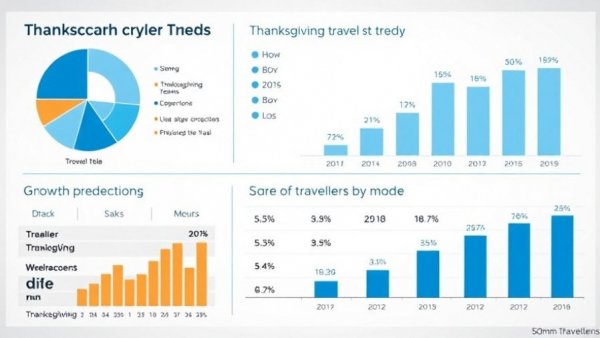
As 81.5 million Americans prepare to hit the road or access alternative transportation this Thanksgiving, a subtle transformation is at play in the travel landscape that property owners should pay attention to. While overall travel remains near historic highs, higher costs for fuel and flights have led to a slight drop in the number of holiday travelers. This shift not only reflects changing consumer spending behavior but also hints at a broader impact on local economies and real estate dynamics.
Understanding the Impact of Increased Transportation Costs
The AAA reports a modest decrease in Thanksgiving travelers in 2026, marking the first year of decline after three consecutive record-breaking years. Higher transportation costs, particularly for gasoline and airfare, have been the primary culprits behind this change. As properties located in vibrant, accessible neighborhoods remain attractive, the economic implications of increased travel expenses could influence property demand. Property owners may find that their investments are bolstered by convenience and accessibility while those in more remote areas could face challenges in attracting potential renters or buyers.
Local Economic Gains Amid Conflicts and Adjustments
While road trips will still account for nearly 90% of travel (approximately 72.9 million travelers), sectors like cruises, buses, and trains continue to expand, showcasing a diversification in transportation preferences. This transition underscores significant opportunities for commercial property owners, especially those near transportation hubs or tourist destinations that may see a spike in visitors. As travelers seek alternative routes for holiday gatherings, local businesses and properties offering amenities aligned with these travel trends may find themselves at a competitive advantage, enriching community connections while boosting local economies.
Enhancing Property Value through Local Experience
With a growing number of Americans exploring cruises and train travel, property owners can capitalize on this cultural shift by enhancing their neighborhood's appeal. Featuring unique experiences, food options, and entertainment that align with local tourism could attract a more diverse set of buyers or renters. Additionally, properties that offer convenience to public transit might see increased interest, as families look for options that simplify their travel during busy holiday seasons.
Future Predictions: Sustainable Travel Trends Ahead
As the travel industry adapts to rising costs, one cannot ignore the sustainability movement gaining momentum in the background. Properties that emphasize energy efficiency, reduced transportation emissions, and lower utility expenses may appeal to eco-conscious buyers or renters. Moreover, as emerging trends such as remote work continue to evolve, property owners should consider how these changes reshape the dynamics of urban versus rural living, potentially influencing future property values.
Understanding the Broader Economic Picture
While the current focus is on holiday travel forecasts, the underlying economic principles reveal the interconnected nature of transportation and real estate. In 2026, an average round-trip domestic airfare has spiked 17% compared to previous years, making vacation budgets tighter. Economic health, including travel spending, impacts local real estate markets, influencing buyer profiles and property preferences. Keeping an eye on these developments will help property owners adapt and thrive amidst changing market conditions.
As we approach the Thanksgiving holiday, stakeholders in the residential and commercial property markets are encouraged to consider these insights to navigate this evolving landscape successfully. Understanding the nuances of consumer behavior isn't just essential for the travel industry but can also provide crucial advantages in real estate dealings.
As prices and travel preferences shift, it is evident that the connection between transportation trends and real estate markets remains significant. A good understanding of these dynamics can prepare you for any forthcoming opportunities and informed investments.





Write A Comment