

How Inherited Wealth Is Redefining Homeownership
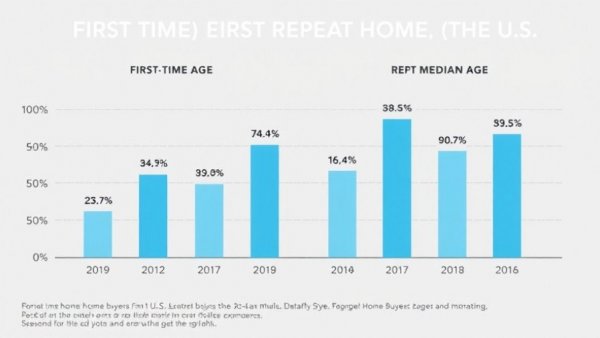
The landscape of homeownership in the United States has undergone significant shifts, particularly for first-time buyers. In 2026, the median age of first-time buyers has climbed to an unprecedented 40 years, underscoring a critical trend that suggests a reliance on inherited wealth is increasingly becoming the norm. For many prospective homeowners, the ability to purchase a home is no longer merely a matter of savings and income; it’s now deeply intertwined with generational wealth transfers.
According to a recent report from the National Association of Realtors (NAR), just 22% of home purchases were made by first-time buyers, indicating a stark contrast with historical averages of around 40% prior to the financial crisis of 2008. The gap signifies the growing hardships faced by young adults, grappling with high rental prices, student loans, and an overall lack of affordable housing inventory. As Jessica Lautz, NAR's deputy chief economist, aptly points out, the overwhelming hurdle for aspiring homeowners remains affordability.
Repeat Buyers Are Dominating the Housing Market
While first-time buyers struggle, repeat buyers are increasingly controlling the real estate market. Representing a staggering 78% of home purchases, repeat buyers possess substantial financial advantages, primarily due to accumulated home equity. With a median age of 62 and a median household income of $127,000, they are leveraging their financial position to relocate or upgrade their living conditions. The vast disparity in financial resources between these groups further entrenches the barriers for first-time buyers.
Interestingly, 30% of repeat buyers are making their next purchase entirely in cash, a stark contrast to the majority of first-time buyers who are primarily reliant on financing and savings. This financial power not only demonstrates the increasing wealth gap in homeownership but also emphasizes the issue of accessibility—first-time buyers often cannot compete with cash offers, leading to frustrated attempts to find affordable housing.
The Impact of High Prices on Younger Generations
As rising property values persist, young adults are delayed in entering the market. With many first-time buyers accumulating a mere 9% down payment, it becomes evident that personal savings and financial assistance are pivotal factors in transitioning from renters to owners. Research shows that personal savings remain the predominant funding source for first-time purchasers, but as the NAR report suggests, inheritance emerging as a new, crucial element cannot be overlooked. A record 10% of first-time buyers were able to secure homes with cash, often sourced from inheritances.
Addressing the Housing Crisis Through Affordable Solutions
The ongoing struggle of first-time buyers raises the question: what can be done to facilitate a more accessible housing market? Policy changes addressing the affordable housing shortage must be prioritized. Potential solutions could include increased construction of affordable homes, innovative financing options for first-time buyers, and expanding grant programs designed to assist younger adults in overcoming initial purchasing barriers.
Furthermore, an emphasis on community-building initiatives and increased financial literacy programs can empower prospective buyers to make informed decisions and increase their chances of securing housing. By investing in supportive guidelines and structures, the American dream of homeownership could once again be attainable for younger generations.
Conclusion: Rediscovering Homeownership
The current state of the U.S. housing market spotlights stark contrasts in wealth and accessibility, particularly for first-time buyers. As inherited wealth increasingly influences homeownership, the potential for achieving the American dream seems to drift further away for many young individuals. However, by fostering policies that prioritize affordable housing and financial assistance, we can expand options for first-time buyers to integrate into an evolving real estate landscape.
Stay informed about insights into the U.S. housing market and learn more about how to navigate homeownership in today’s economy. Engage with your local real estate community to understand these trends and ensure that you remain prepared and informed.


Write A Comment